
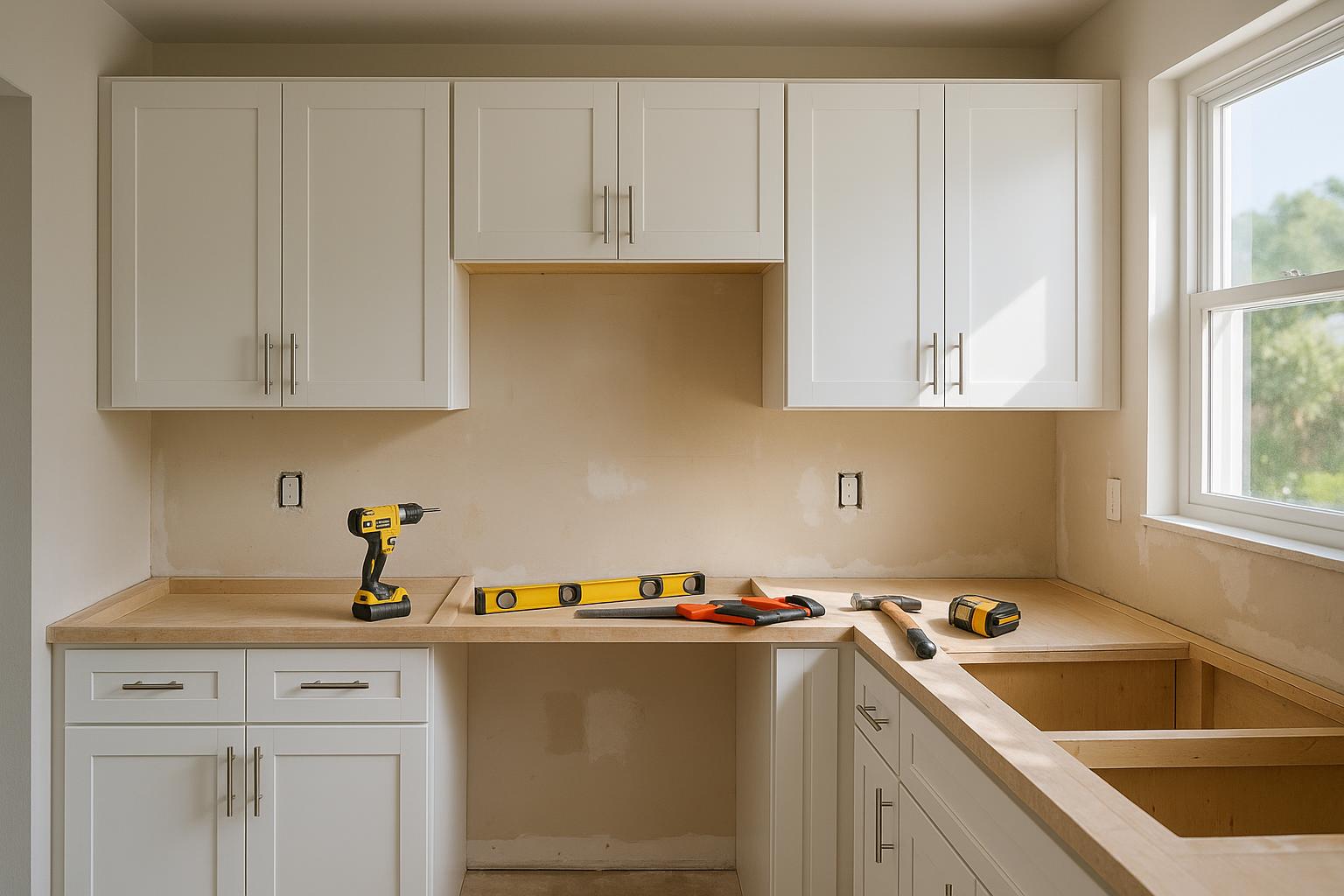
The Question Every Homeowner Asks First
You've been dreaming about a new kitchen for months — maybe years. You've browsed Pinterest boards, visited showrooms, and finally decided it's time. But before you commit, there's one question that stops almost every homeowner in their tracks: how long is this actually going to take?
It's a fair question. Your kitchen is the most-used room in your home. Living without it for weeks — or longer — affects your daily routine, your budget for eating out, and your overall stress level. At Iron Gate General Contractors, we hear this question from Fort Lauderdale homeowners on nearly every consultation call, so let's give you an honest, detailed answer.
The Short Answer: 6 to 12 Weeks for Most Projects
A typical full kitchen remodel in Fort Lauderdale takes between 6 and 12 weeks from demolition day to the final walkthrough. That's the construction phase alone — it doesn't include the planning and design period that comes before it.
Here's a general breakdown:
- Minor kitchen refresh (new countertops, backsplash, paint, hardware): 2–4 weeks
- Mid-range remodel (new cabinets, countertops, flooring, appliances, same layout): 6–8 weeks
- Full gut renovation (layout changes, plumbing relocation, electrical upgrades, custom cabinetry): 10–12+ weeks
The scope of work is the single biggest factor in your timeline. Moving a sink or adding an island means plumbing and electrical changes, which adds time. Keeping the existing layout intact can shave weeks off the project.
What Happens During Each Phase
Understanding the sequence of a kitchen remodel helps you see why each phase takes the time it does. Here's what a typical project looks like from start to finish:
1. Planning and Design (2–6 Weeks Before Construction)
This is the phase most people underestimate. Before any hammer swings, you'll need to finalize your layout, select materials, order cabinets, choose appliances, and pull permits. Custom cabinetry alone can have a lead time of 4 to 6 weeks, so early decisions here save you from delays later.
2. Demolition (2–4 Days)
Out with the old. Your contractor removes existing cabinets, countertops, flooring, and sometimes walls. This is the fastest and most dramatic phase — your kitchen will look completely different by the end of day one.
3. Rough-In Work (1–2 Weeks)
This is when plumbing, electrical, and any structural changes happen behind the walls. If you're relocating your sink, adding under-cabinet lighting, or upgrading your electrical panel to handle new appliances, it happens now. A city inspection is typically required before you can close up the walls.
4. Drywall, Painting, and Prep (3–5 Days)
Walls are patched or replaced, primed, and painted. This phase sets the stage for everything that comes next.
5. Cabinet Installation (3–5 Days)
Your new cabinets go in, and the kitchen starts to take shape. Proper installation is critical — everything from your countertops to your appliances depends on cabinets being level and secure.
6. Countertop Fabrication and Installation (1–2 Weeks)
After cabinets are installed, your countertop fabricator comes to template the surfaces. Fabrication usually takes about a week, and then installation is typically completed in a single day.
7. Tile, Backsplash, and Flooring (3–7 Days)
Your tile and flooring go in, adding texture and personality to the space. Intricate backsplash patterns or large-format floor tiles may take a bit longer.
8. Final Installations and Punch List (3–5 Days)
Appliances are connected, fixtures are installed, hardware goes on the cabinets, and your contractor walks through a detailed punch list to make sure every detail meets your expectations.
What Causes Delays (And How to Avoid Them)
Even the best-planned projects can hit bumps. Here are the most common causes of kitchen remodel delays in South Florida — and what you can do about them:
Permit and Inspection Scheduling
Fort Lauderdale and surrounding cities like Wilton Manors, Oakland Park, and Pompano Beach each have their own permitting offices and inspection timelines. An experienced local contractor knows how to navigate these processes efficiently and schedule inspections without unnecessary gaps in the work.
Material Lead Times
Supply chain issues have improved since the pandemic, but certain materials still have longer lead times. Custom cabinetry, imported tile, and specialty countertop slabs can take weeks to arrive. The solution is simple: make your selections early and order materials before demolition begins.
Hidden Surprises Behind the Walls
Older Fort Lauderdale homes — especially those built in the 1950s through 1970s — sometimes reveal outdated wiring, corroded plumbing, or water damage once walls are opened up. A good contractor builds a contingency buffer into the timeline and budget for exactly these situations.
Change Orders Mid-Project
Deciding to add a pot filler or change your cabinet color after work has started can push your timeline back by days or weeks. The more decisions you finalize during the planning phase, the smoother your construction phase will be.
Tips to Keep Your Kitchen Remodel on Schedule
Based on our experience remodeling kitchens across Fort Lauderdale and neighboring communities like Lauderdale-by-the-Sea and Lauderhill, here are our top recommendations for staying on track:
- Finalize all material selections before demolition day. This includes cabinets, countertops, tile, fixtures, hardware, and appliances.
- Order long-lead items first. Custom cabinets and specialty materials should be ordered as early as possible.
- Work with a contractor who handles permitting. Permit delays are one of the most common — and most avoidable — causes of lost time.
- Set up a temporary kitchen. A coffee maker, microwave, and mini fridge in another room will make the process far more livable.
- Limit changes once construction starts. Every mid-project change requires new materials, revised scheduling, and sometimes re-inspection.
- Communicate regularly with your contractor. Weekly check-ins keep everyone aligned and help catch small issues before they become big delays.
Why a Realistic Timeline Matters More Than a Fast One
It's tempting to hire the contractor who promises the fastest turnaround. But speed without quality leads to problems that cost far more to fix down the road — misaligned cabinets, poorly sealed countertops, or electrical work that doesn't pass inspection.
A realistic timeline means your contractor is accounting for proper curing times, careful craftsmanship, and thorough inspections. It means your kitchen will look beautiful and function flawlessly for years to come.
Ready to Start Planning Your Kitchen Remodel?
If you're a homeowner in Fort Lauderdale or the surrounding area and you're thinking about a kitchen renovation, the best time to start planning is now — even if you're not ready to begin construction for a few months. Early planning gives you time to make thoughtful decisions, order materials, and avoid the delays that derail so many projects.
At Iron Gate General Contractors, we walk you through every phase of the process so there are no surprises. Reach out today for a consultation, and we'll give you an honest timeline based on exactly what you want to accomplish.